Engineered for clinical autonomy
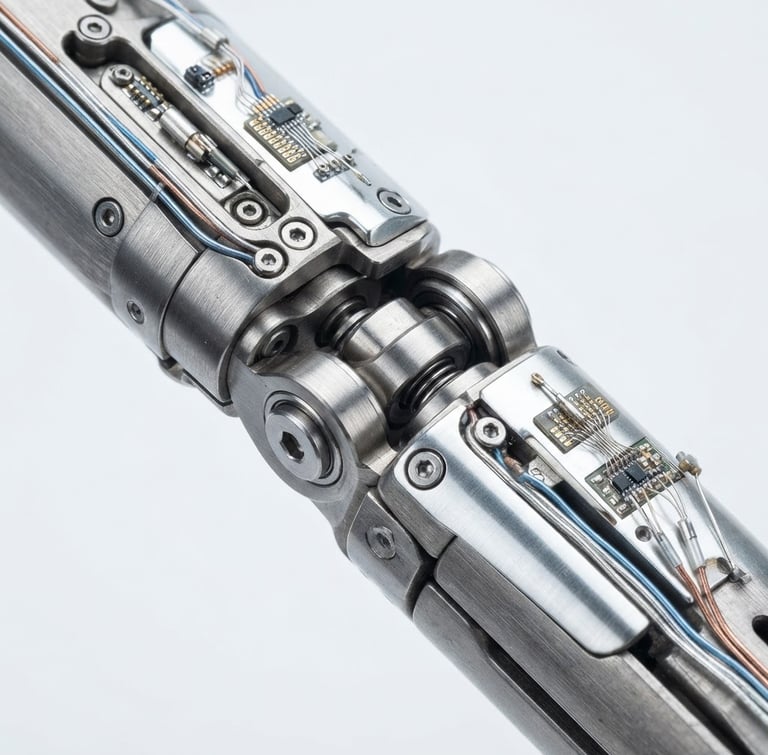
Our neural-interface robotics are developed by a consortium of neuroscientists and engineers, ensuring every system meets the highest standards of medical efficacy.
Regulatory compliance
Class II
FDA Cleared
ISO 13485
Quality Systems
40+
Peer-Reviewed Studies
Multidisciplinary expertise
We integrate advanced machine learning with rigorous biomechanical research to deliver restorative robotics.
Neural Engineering
Clinical Rehabilitation
Regulatory Affairs
Decoding neural intent into precise mechanical action with millisecond latency.
Translating robotic assistance into measurable patient outcomes across varied environments.
Ensuring uncompromising safety and strict adherence to global compliance protocols.
Restoring natural gait patterns
True recovery requires more than mechanical repetition. Our systems utilize closed-loop feedback to monitor patient intent in real-time, adjusting assistance levels in milliseconds.
This adaptive approach ensures that the exoskeleton supports rather than overrides the neuromuscular system, accelerating the restoration of independent mobility through evidence-based protocols.
Review the data
Examine the clinical trial results and peer-reviewed literature supporting our neural-adaptive systems.
NeuroMotion Medical Biotechnology
Clinical precision meets adaptive machine learning.
SYSTEM
Home
About
Products
Technology
Solutions
Contact
CLINICAL INQUIRIES
clinical@neuromotion.med
Global Headquarters
FDA-Compliant Systems
© 2026 NeuroMotion Medical Biotechnology-Engineered for clinical-grade autonomy.
NEURAL-ADAPTIVE RECOVERY