
AI Exoskeleton Development Roadmap (Past · Present · Future)
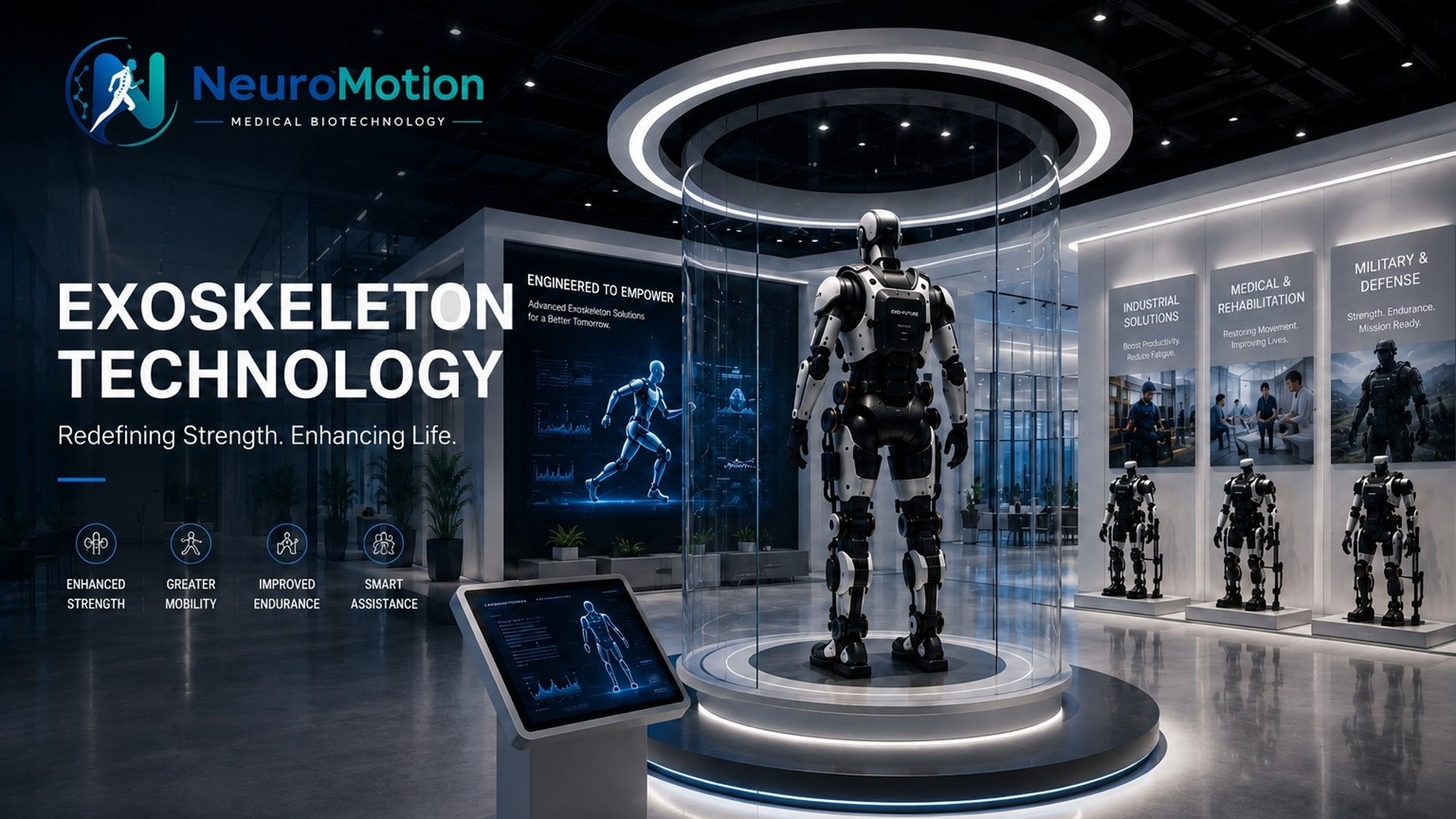
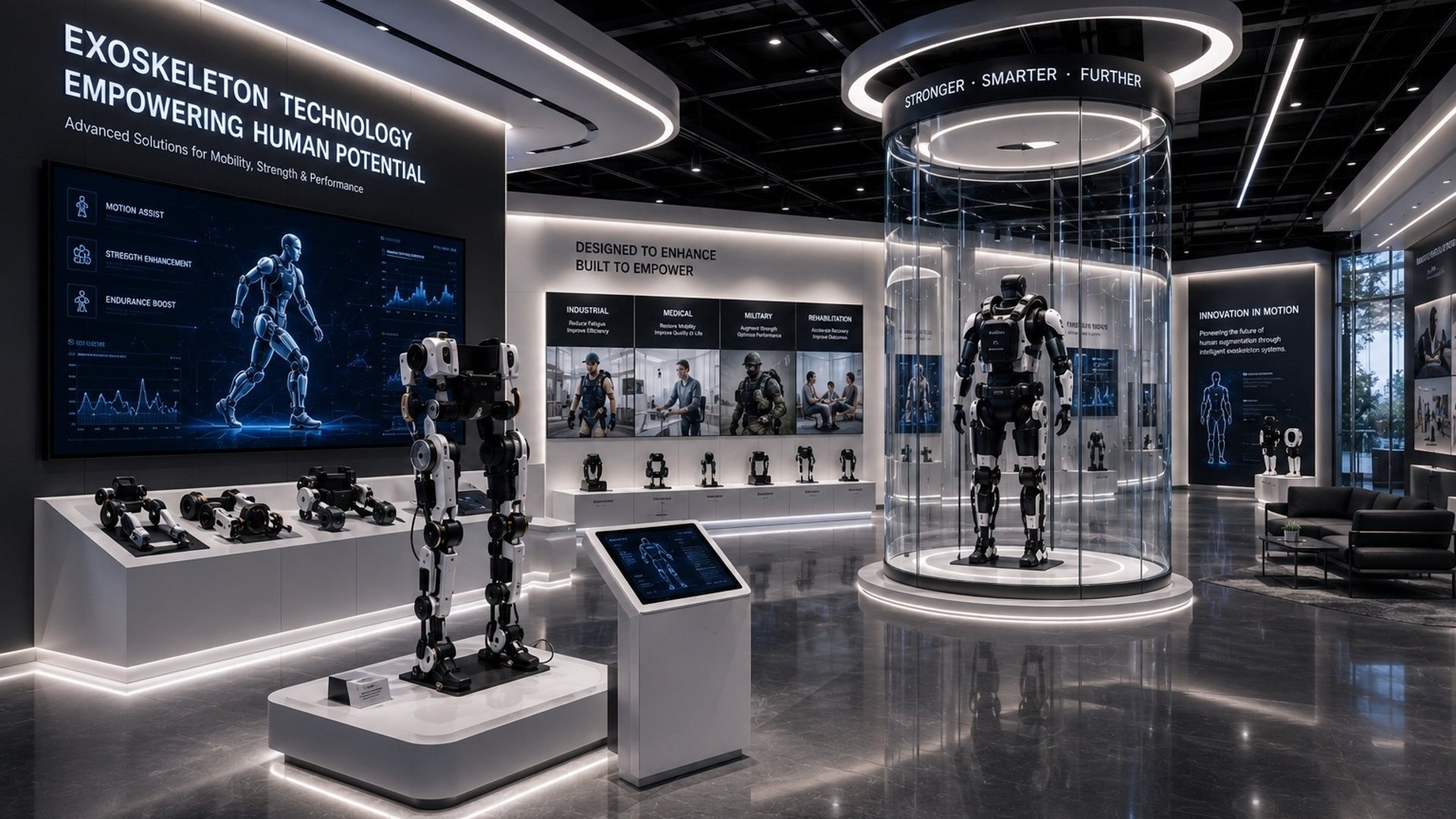
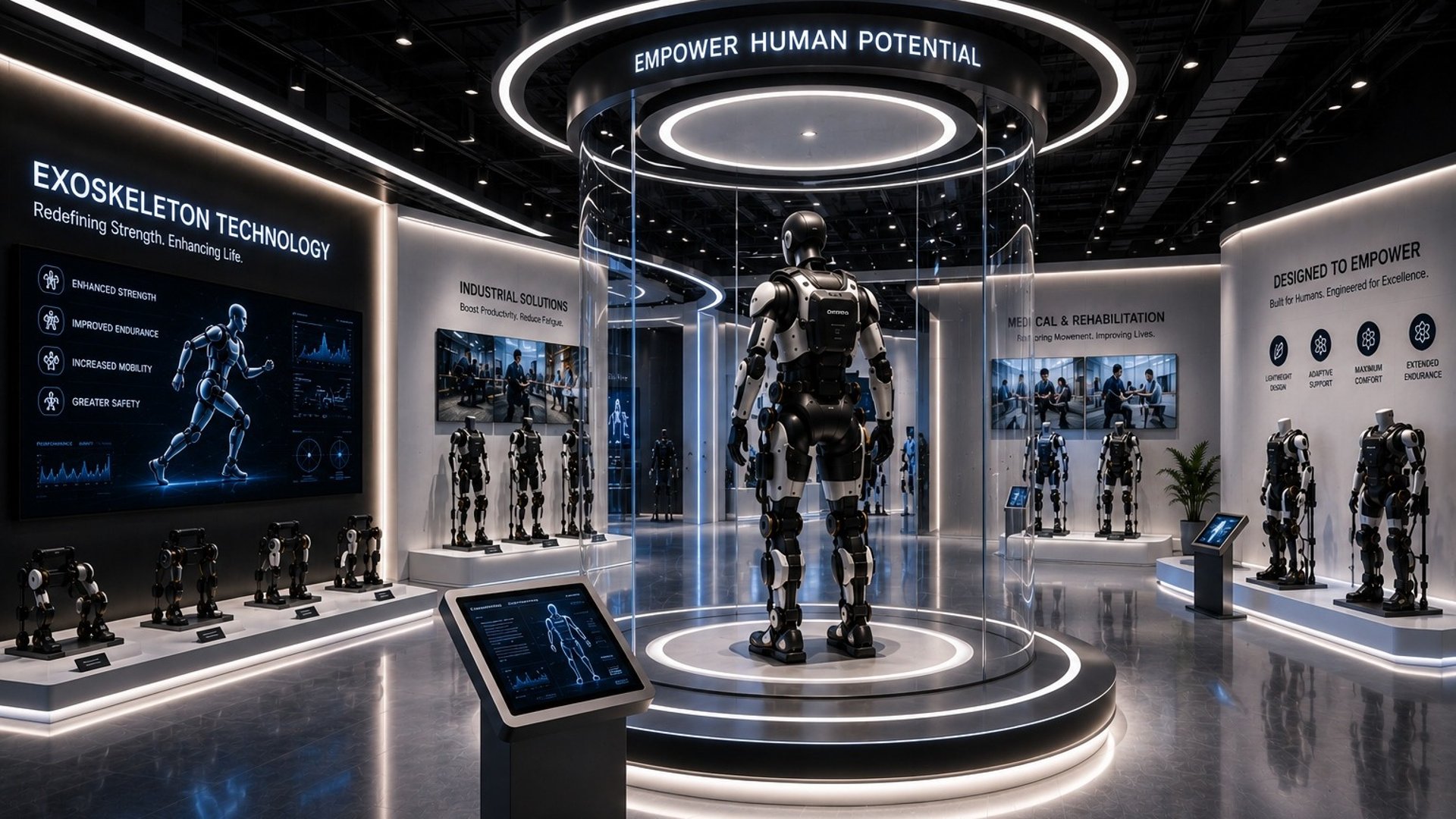
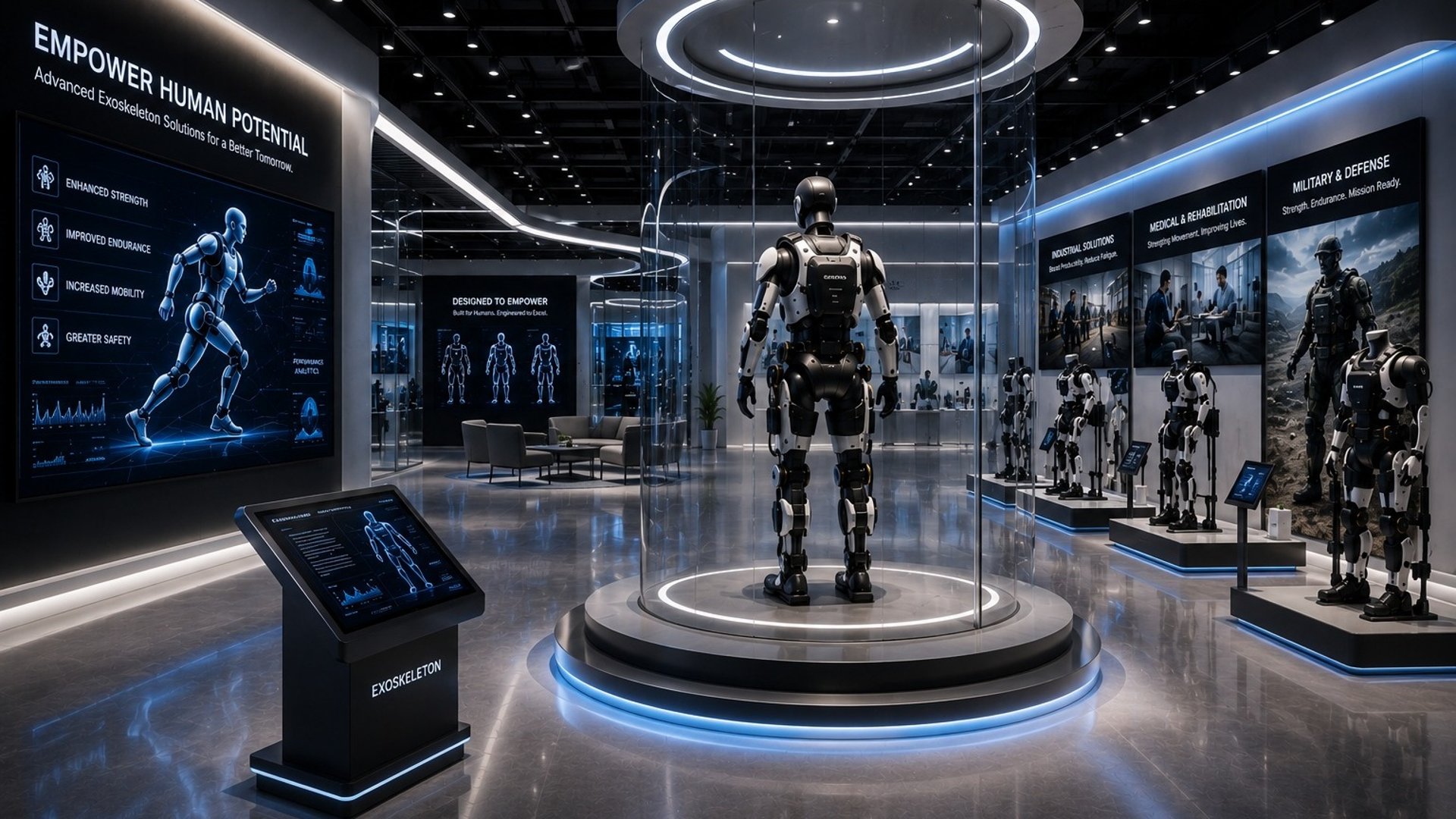
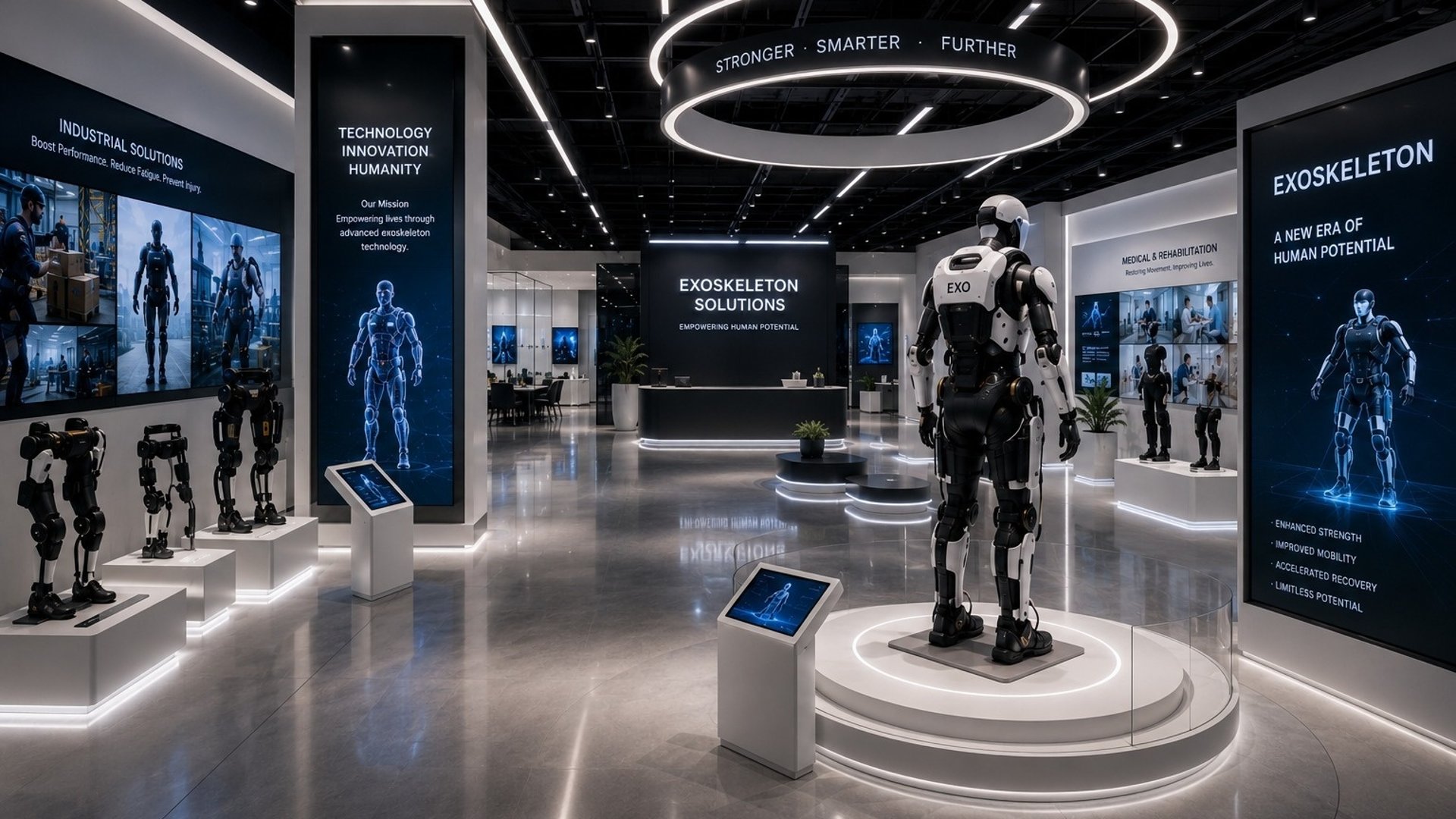
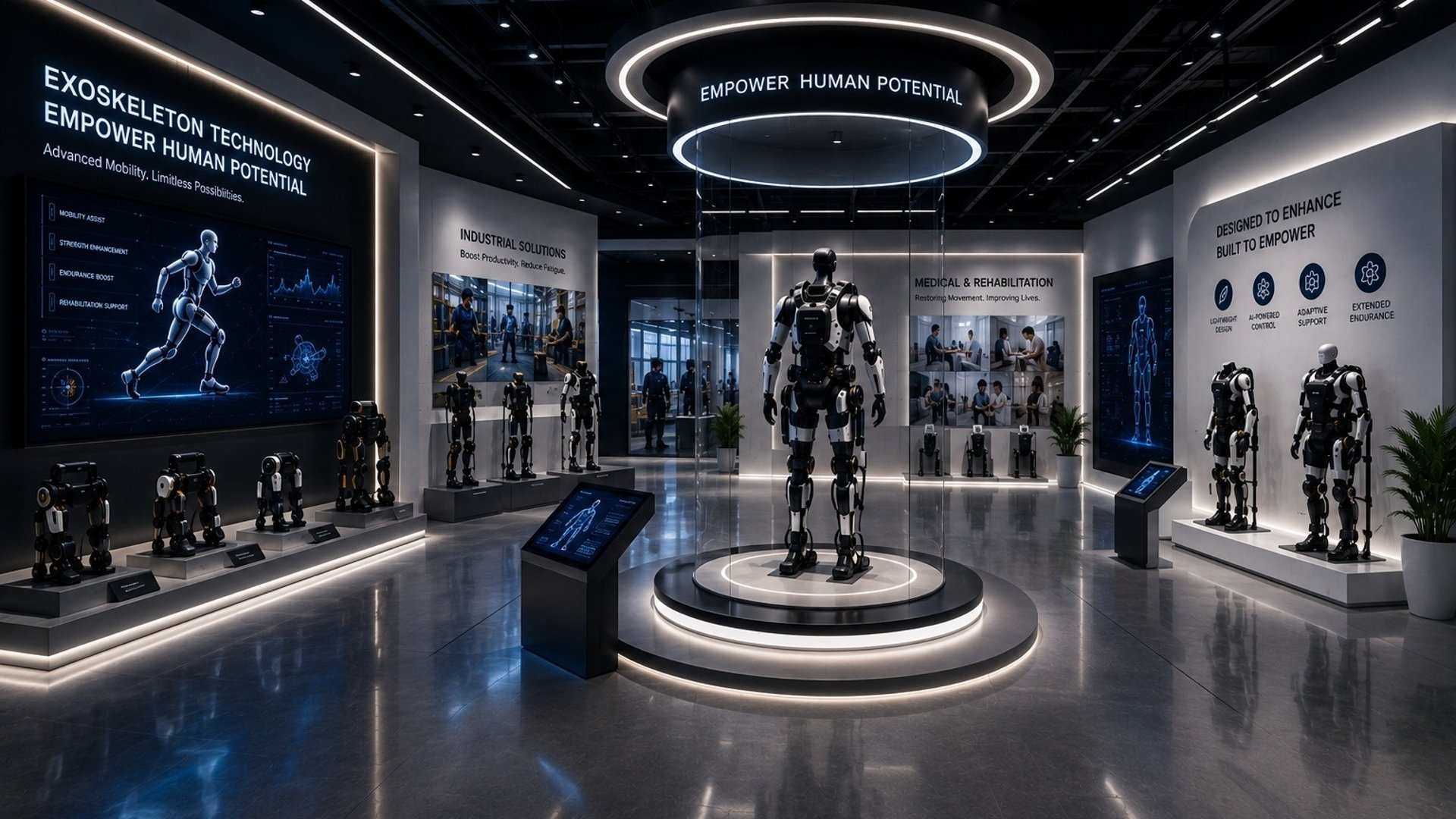
Artificial Intelligence (AI)-powered exoskeletons are rapidly emerging as one of the most promising technologies in medical rehabilitation, industrial assistance, and intelligent robotics. Driven by continuous breakthroughs in artificial intelligence, robotics, advanced sensors, biotechnology, and brain-computer interface (BCI) technologies, AI exoskeletons are evolving from traditional mechanical assistive devices into next-generation intelligent systems capable of autonomous learning, intelligent decision-making, and seamless human-machine collaboration.
2015–2018 | Technology Exploration Stage
During this period, exoskeleton technology was primarily deployed in military research, scientific laboratories, and medical rehabilitation. Powered by electric actuators and mechanical structures, these early systems enabled basic standing, walking, and limb assistance. Although relatively large, heavy, and expensive, they successfully demonstrated significant clinical value in spinal cord injury rehabilitation, stroke recovery, and lower-limb mobility restoration.
2019–2022 | Intelligent Evolution Stage
Advancements in AI algorithms, cloud computing, motion sensors, and electromyography (EMG) recognition enabled exoskeletons to perform intelligent gait analysis, motion prediction, adaptive assistance, and remote data management. Devices became lighter, more energy-efficient, and increasingly practical, leading to broader adoption across hospitals, rehabilitation centers, and elderly care facilities, marking the beginning of large-scale clinical deployment.
2023–2026 | AI Integration Stage
The rapid advancement of large AI models, digital twins, 5G connectivity, and edge computing ushered AI exoskeletons into a new era of intelligent healthcare. These systems can analyze users' movement patterns in real time, automatically adjust assistance levels, and generate personalized rehabilitation programs based on patient data. By enabling seamless collaboration between clinicians, patients, and AI systems, they significantly improve rehabilitation efficiency and treatment precision.
Future Development Trends
2027–2030 | Intelligent Healthcare Ecosystem
AI exoskeletons will become deeply integrated with smart hospitals and digital healthcare platforms, enabling real-time patient data synchronization, remote rehabilitation management, AI-powered health assessments, and automated treatment planning. Beyond clinical settings, they will expand into home rehabilitation, community healthcare, and elderly care, creating a comprehensive intelligent rehabilitation ecosystem.
2030–2035 | Brain-Computer Integration Stage
As Brain-Computer Interface (BCI) technology matures, users will be able to control exoskeletons directly through neural signals, enabling more natural and intuitive human-machine interaction. For individuals with spinal cord injuries, ALS, stroke, and other neurological disorders, AI exoskeletons will restore greater levels of independent mobility and significantly improve quality of life.
Beyond 2035 | The Era of Intelligent Human Augmentation
In the decades ahead, AI exoskeletons will integrate artificial intelligence, biotechnology, robotics, digital healthcare, and brain-computer interface technologies to become a natural extension of human capability. Beyond rehabilitation, they will play critical roles in industrial manufacturing, logistics, public safety, emergency response, aerospace, and everyday life. By enhancing human strength, endurance, mobility, and productivity, AI exoskeletons will redefine human potential and accelerate the realization of a truly intelligent human-machine future.
NeuroMotion Medical Biotechnology
Let artificial intelligence empower life, and let technology reshape the future
SYSTEM
Support
support@neuromotionmed.net
Headquarters
California, United States
Business Hours
Mon – Fri
9:00 AM – 5:00 PM (PST)
© 2026 NeuroMotion Medical Biotechnology-Engineered for clinical-grade autonomy.
NEURAL-ADAPTIVE RECOVERY